

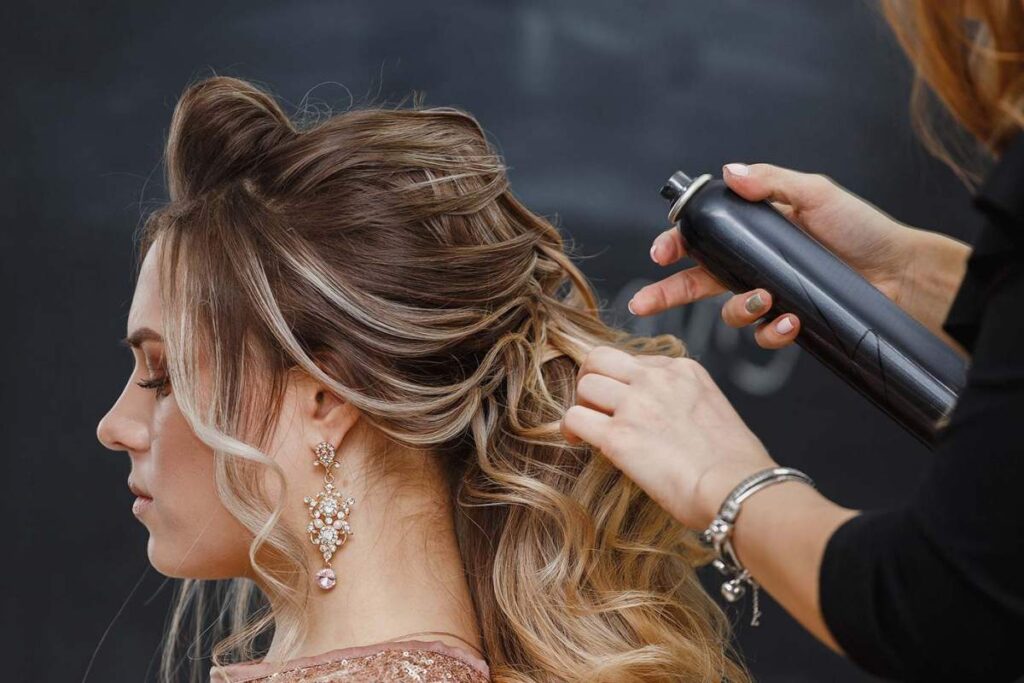
Fine hair can look fuller with the right combination of haircut, styling technique, product placement, and daily habits. The goal is not to make every strand behave like thick hair; it is to create lift at the roots, reduce weight through the lengths, and protect the hair from becoming limp or overloaded.
What makes fine hair look flat?
Fine hair has a smaller strand diameter, so it contains less internal structure than coarse hair. It may also be naturally straight, oily at the roots, or easily weighed down by conditioner and styling products. Hair density matters as well: someone can have many fine strands, while another person has fewer strands overall.
Flatness is often caused by several factors working together:
- Heavy products applied near the scalp
- Excess oil or buildup
- Long, solid haircuts that pull the roots downward
- Over-conditioning
- Sleeping on damp hair
- Heat damage that makes the ends weak and separated
- Humidity, static, or dry winter air
In Worcester, seasonal changes can affect how fine hair behaves. Humid weather may make the roots collapse or create frizz, while cold, dry conditions can increase static and make hair appear thinner at the ends. A flexible routine usually works better than using the same method throughout the year.
Which haircuts create the appearance of fullness?
A haircut with controlled movement can make fine hair appear denser, but excessive layering may have the opposite effect. The most useful shape depends on the person’s hair density, texture, and preferred length.
Blunt or softly blunt ends often make fine hair look thicker because the perimeter appears substantial. A shoulder-length or shorter cut can also reduce the downward pull that makes the roots fall flat. If longer hair is preferred, keeping the ends relatively full may help prevent a wispy appearance.
Light internal layers can add movement without removing too much weight. Layers should be placed carefully, especially when the hair is fine and sparse. Too many short layers may create separation, expose the scalp more visibly, or leave the ends looking uneven.
For some people, a gently graduated shape around the face adds lift and dimension. The most flattering result usually comes from preserving fullness at the perimeter while adding only enough movement to prevent the style from looking heavy.
How should fine hair be washed?
Clean roots usually provide more lift than heavily conditioned roots. Shampoo should be concentrated on the scalp, where oil, sweat, and styling residue collect. The lengths generally receive enough cleansing as the shampoo rinses through.
Conditioner is helpful, but it should usually be applied from the mid-lengths to the ends rather than directly at the scalp. Fine or fragile hair may need only a small amount. If the hair feels coated, dull, or difficult to lift, product buildup may be contributing to the problem.
Useful habits include:
- Rinsing thoroughly, especially near the crown and nape
- Avoiding repeated shampooing unless the scalp is genuinely oily
- Using a clarifying wash occasionally when residue accumulates
- Keeping masks and rich treatments away from the roots
- Adjusting wash frequency based on oil production, exercise, and weather
Clarifying products can be drying if used too often. The goal is a clean scalp and soft lengths, not a stripped or squeaky texture.
What styling techniques add the most lift?
Root direction is often more important than the styling product itself. Hair that dries flat against the scalp tends to remain flat. After washing, gently blot the hair with a towel rather than rubbing it vigorously, then lift the roots while drying.
A useful technique is to dry the hair in the opposite direction from how it naturally falls. For example, direct the front sections forward or to the opposite side while the roots are damp. Once the hair is mostly dry, return it to its preferred position. This creates temporary root elevation without requiring a large amount of product.
Other practical approaches include:
- Blow-drying with the head tilted slightly forward
- Lifting sections at the crown with a brush while directing air at the roots
- Using cool air briefly at the end to help set the shape
- Changing the part from time to time
- Allowing the roots to cool before brushing them into place
- Using large rollers or clips at the crown while the hair cools
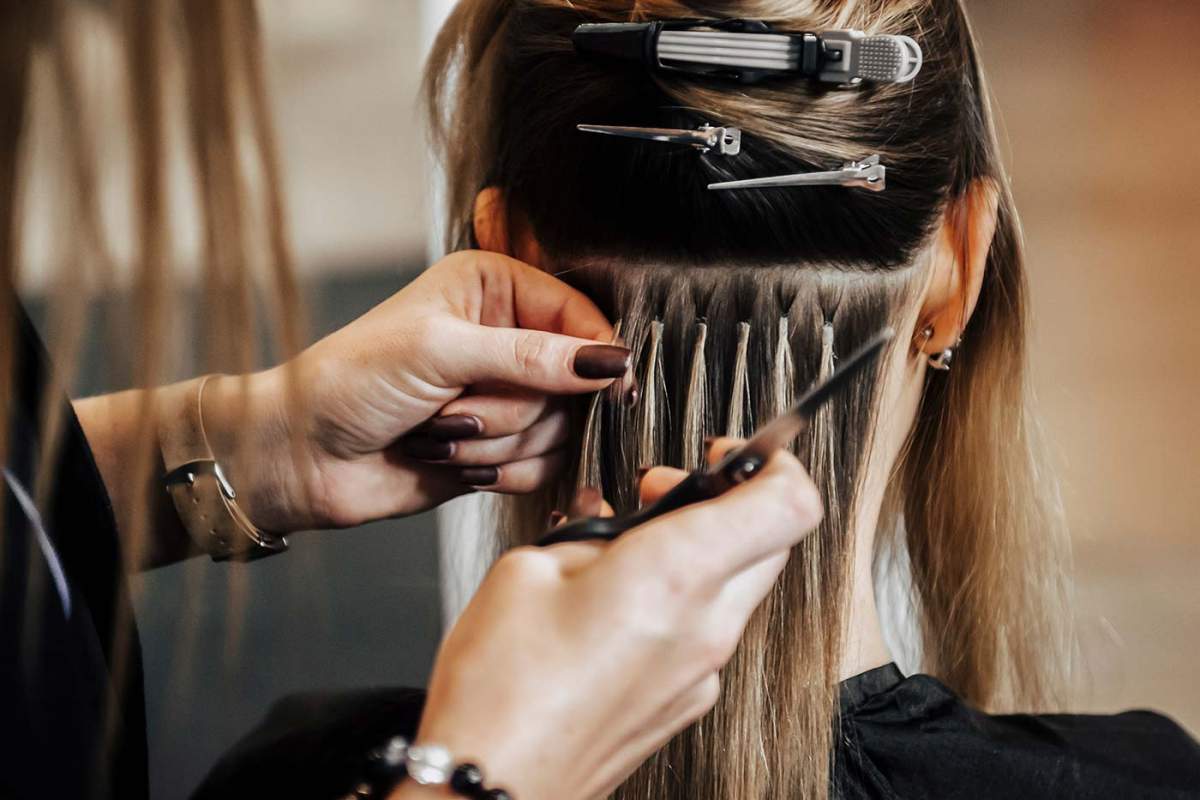
Fine hair can lose volume if it is brushed repeatedly after styling. A light touch is often more effective than constant teasing or backcombing, which may cause tangling and breakage.
Which products help without weighing hair down?
Lightweight products tend to work better for fine hair than thick creams, oils, waxes, or rich leave-in conditioners. A small amount of mousse, root-lifting foam, or lightweight volumizing spray can support the hair without creating a stiff coating.
Product placement matters as much as product type. Apply volume products mainly at the roots or through the areas that need support. Avoid layering several products with similar purposes unless the hair remains flexible and clean.
A practical order may be:
1. Apply a small amount of lightweight styling product to damp roots.
2. Distribute any smoothing product only through the ends.
3. Dry the roots with lift before shaping the rest of the hair.
4. Finish with a minimal amount of flexible spray if needed.
Dry shampoo can create temporary texture, but it should not replace regular cleansing. Applying too much may leave a powdery residue, irritate the scalp, or make the hair feel heavier rather than fuller.
Can color or texture changes make hair look fuller?
Subtle changes in dimension can make fine hair appear more visually textured. Slight variations in tone may create the impression of depth, while a completely flat, uniform finish can make the hair look less dimensional. Chemical services can also damage fine strands if performed too frequently or without attention to the hair’s condition.
Soft waves or bends can increase the appearance of fullness because they create space between sections. Heat should be used carefully, with moderate temperatures and heat protection. Fine hair often requires less heat and less time than thicker hair to take shape.
A loose wave is usually more forgiving than a tight curl. Overly defined curls may separate into thin-looking sections, particularly if the hair has low density.
What habits can reduce volume over time?
Several everyday habits can make fine hair appear thinner or flatter:
- Sleeping with wet hair
- Tying the hair tightly in the same place every day
- Using high heat on damp strands
- Pulling through tangles from the roots downward
- Applying oils or heavy conditioners near the scalp
- Wearing a part that exposes the same area continuously
- Skipping trims while the ends become fragile and transparent
Fine hair benefits from gentle detangling, especially when wet. Start at the ends and work upward with a wide-tooth comb or a soft brush designed for damp hair. Regular trimming does not make hair grow faster, but it can remove split, weak ends that make the overall shape look thinner.
When might flatness signal a hair or scalp concern?
A naturally fine texture is not the same as sudden thinning. Noticeable changes deserve attention if they include increased shedding, widening of the part, visible scalp in new areas, broken hairs, itching, scaling, or patchy loss.
Temporary shedding can occur after illness, major stress, hormonal changes, nutritional problems, or certain medications. Persistent or sudden changes are best evaluated by a qualified medical provider, particularly when they involve scalp discomfort or rapid loss.
For most people, added volume comes from several modest adjustments: a weight-conscious haircut, clean roots, careful conditioner placement, root-directed drying, and lighter styling products. The most reliable routine is the one that gives support while keeping the hair soft, movable, and healthy.