

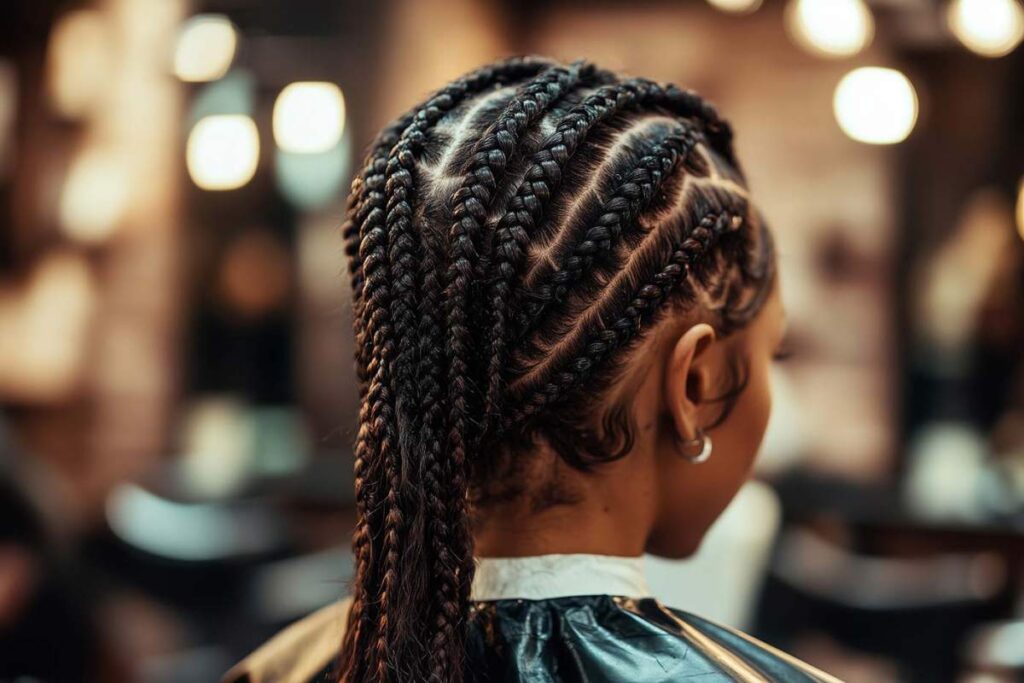
Curly hair often needs a different routine than straight or lightly wavy hair because its shape affects how moisture travels along the strand. Bends and coils can make the scalp’s natural oils less likely to reach the ends, leaving curls prone to dryness, frizz, tangling, and breakage.
For residents in Worcester, MA, seasonal changes can make those concerns more noticeable. Cold, dry air and indoor heating may increase moisture loss during winter, while humid summer weather can cause curls to expand and lose definition. A consistent routine based on moisture, gentle handling, and appropriate styling usually works better than changing products constantly.
How often should curly hair be washed?
Most curly hair does not need daily shampooing. Washing once or twice a week may be enough for some people, while others may need to cleanse more often because of exercise, an oily scalp, fine hair, or heavy styling products.
The scalp should guide the schedule. If it feels oily, itchy, uncomfortable, or coated with buildup, cleansing may be needed sooner. If the hair feels brittle, rough, or unusually frizzy after washing, the cleanser may be too strong or the routine may be too frequent.
A gentle shampoo can be applied mainly to the scalp, where oil, sweat, and residue collect. The lengths usually receive enough cleansing as the shampoo rinses through. Scrubbing the ends aggressively can increase dryness and tangling.
Some people alternate between regular shampoo and a moisturizing cleanser. A clarifying wash may occasionally help remove stubborn buildup, but frequent use can leave curls stripped and less flexible.
What is the best way to condition curls?
Conditioner helps reduce friction, soften the hair, and make detangling easier. It should generally be applied from the mid-lengths through the ends, with extra attention to areas that feel dry or knot easily.
While the conditioner is still in the hair, gently separate curls with the fingers or a wide-tooth comb. Begin at the ends and work upward rather than pulling from the roots down. This reduces the force placed on knots and may limit breakage.
A deeper conditioning treatment can be useful when hair feels rough, dull, or difficult to stretch without snapping. However, more moisture is not always better. Hair that becomes limp, overly soft, or difficult to style may be receiving more conditioning than it needs.
The goal is balanced hair that feels flexible and smooth without becoming greasy or weighed down.
Should curly hair be brushed dry?
Dry brushing often disrupts the curl pattern and creates additional frizz. It can also increase breakage because knots are harder to separate when the hair lacks water and conditioner.
For many curl patterns, detangling works best when the hair is wet or very damp and coated with conditioner. Use fingers first to loosen larger knots, then use a wide-tooth comb if needed. Work in sections, especially if the hair is dense or easily tangled.
There are exceptions. Some people with loose waves or specific styling needs may prefer brushing before washing. The key is to use minimal tension and choose a method that does not cause excessive shedding, snapping, or scalp discomfort.
A small amount of normal shedding is expected during wash days because loose hairs can remain caught in curls. A sudden increase in shedding, visible thinning, or persistent scalp irritation should not be treated as a styling issue alone.
How can curls be dried without causing frizz?
Rubbing curls with a rough bath towel can create friction and disturb the cuticle. Instead, gently squeeze out excess water with clean hands, then blot with a soft cotton T-shirt or a smooth microfiber towel.
Avoid twisting the hair tightly while wet. Wet strands are more vulnerable to stretching, and repeated pulling can contribute to breakage. Letting curls air-dry may reduce heat exposure, although it is not always practical during colder months.
If using a blow dryer, a diffuser on a low or moderate setting can help distribute airflow more evenly. Keep the dryer moving and avoid repeatedly touching the curls while they are drying. Excessive handling can separate curl groups and create fuzziness.
In Worcester’s colder seasons, going outside with soaking-wet hair may be uncomfortable and can make the hair feel stiff or rough as it dries. Drying the roots and most of the length before leaving the house is often more practical than relying on prolonged air-drying in cold weather.
Which styling habits help maintain curl definition?
Curl definition usually improves when hair is styled while wet or very damp. Applying a lightweight leave-in conditioner, cream, gel, or mousse can help reduce frizz and hold the curl pattern. The right combination depends on strand thickness, density, porosity, and the amount of hold desired.
Apply styling products in small amounts first. Too much product can make fine curls limp or leave residue, while too little may not provide enough control for dense or coarse hair.
Useful techniques include:
- Scrunching upward to encourage the natural curl shape.
- Raking product through small sections for even coverage.
- Using “praying hands” to smooth product over the surface.
- Allowing the hair to dry fully before gently loosening any firm cast created by a styling product.
- Refreshing between wash days with a light mist of water rather than repeatedly adding large amounts of product.
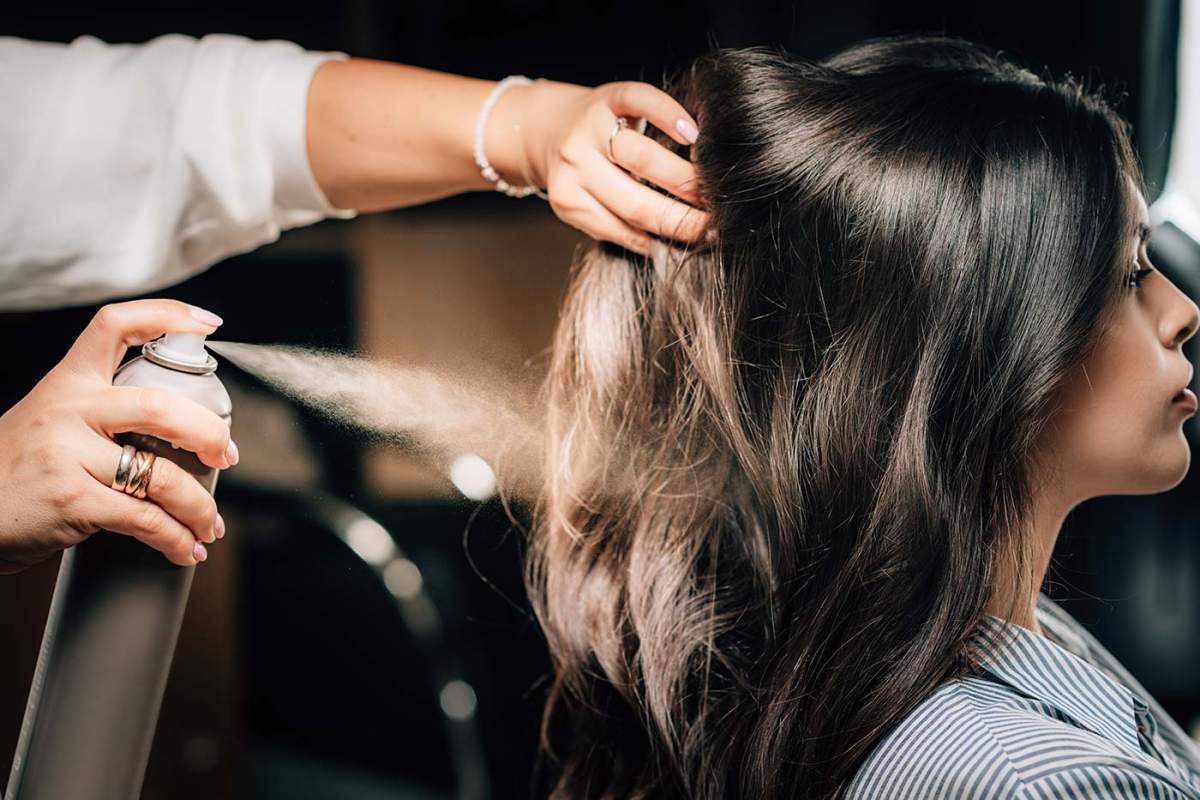
Humidity can affect how curls behave. In damp summer weather, hair may swell and frizz more easily. In dry winter air, curls may need richer conditioning and less frequent heat styling. The routine may need seasonal adjustment rather than a complete change.
How should curly hair be protected at night?
Friction from cotton bedding can contribute to frizz, tangling, and moisture loss. A smooth pillow covering or a loose protective style may help reduce overnight disruption.
Before bed, hair can be gathered loosely at the top of the head with a soft, snag-free tie. The style should not be tight enough to create scalp soreness or pull around the hairline. Longer or denser curls may benefit from dividing the hair into two or more very loose sections.
Hair should be fully or mostly dry before being secured for the night. Sleeping on wet curls for extended periods can flatten the pattern and may leave the scalp damp for too long.
What are common mistakes with curly hair?
Several habits can make curls harder to manage even when the products themselves are suitable:
- Changing the entire routine after one disappointing wash day.
- Applying heavy oils to dry hair without addressing water-based moisture.
- Using high heat repeatedly without a heat protectant.
- Pulling through knots instead of working from the ends upward.
- Washing the scalp too aggressively.
- Applying strong hold products without occasionally removing buildup.
- Cutting or trimming based on a wet shape without understanding how the curls contract as they dry.
Curly hair can also appear uneven because different sections may have different patterns. Hair around the crown, temples, and nape often responds differently to moisture, friction, and styling.
When might a haircut or medical evaluation be useful?
A well-planned haircut can make curls easier to balance and shape, but the final result depends on curl pattern, density, shrinkage, and the person’s preferred length. Discussing how the hair behaves when dry, how much daily styling is realistic, and whether the goal is volume or control can help avoid surprises.
Persistent flaking, sores, burning, severe itching, sudden shedding, or unexplained thinning may indicate a scalp or health concern rather than a simple moisture problem. Those symptoms deserve medical attention, particularly if they continue after changing hair-care habits.
Healthy curls are not defined by having no frizz or by matching a particular pattern. A practical routine should leave the scalp comfortable, reduce unnecessary breakage, and help the hair retain enough moisture to remain flexible through changing seasons.