


Why Are Worcester, MA Residents Worried About Hair Loss?
Many people in Worcester quietly notice thinning hair at some point, whether in their early 20s or later in life. Less sunlight during winter, dry indoor heating, stress from job adjustments, or family changes are just a few local factors that can affect hair health. Though hair loss is very common, concerns about its timing or severity often prompt residents to seek accurate and judgment-free guidance.
What Causes Hair Loss for People Living in This Area?
Hair loss, or alopecia, can have several triggers, some temporary and others more persistent. In a climate like Worcester’s—with cold winters, high indoor heating, and varying humidity—both environmental and personal habits come into play.
Common contributors include:
- Genetics: Pattern baldness, for both men and women, is typically inherited. This accounts for most cases and changes gradually.
- Seasonal Shedding: Fluctuations in temperature and less sunlight during winter months can increase natural hair fall.
- Stress: Job changes, family pressures, or personal upheaval can disrupt the hair growth cycle.
- Medical Conditions: Thyroid disorders, hormonal shifts (such as after childbirth or during menopause), or autoimmune conditions sometimes result in patchy or diffuse loss.
- Nutrition: Low iron, crash dieting, or restricted eating patterns—sometimes more common after holiday seasons—can lead to hair thinning.
- Hairstyles & Treatments: Tight ponytails, frequent heat styling, or certain chemical processes can physically weaken hair over time.
- Medications: Some prescriptions used for high blood pressure, cholesterol, or mental health changes may list thinning hair as a side effect.
How Can You Tell If Hair Loss Is Normal or Needs Attention?
Losing 50 to 100 hairs a day is typical, and often more noticeable when brushing or after showering. Changes worth noticing include:
- Sudden clumps coming out
- Thinning patches or bald spots developing rapidly
- A receding hairline or widening part
- Unusual shedding after illness or major stress
If hair loss happens very quickly, is paired with other symptoms (like tiredness, weight changes, or rashes), or seems out of proportion to daily life, consider mentioning it at your next routine healthcare appointment.
Are Local Seasonal Factors Making Hair Loss Worse?
The climate in Worcester can impact the scalp and hair. Cold, dry winter air, long stretches of indoor heating, and quick changes from outside cold to inside warmth often leave the scalp dry and brittle. Some local households also alternate between humid summers and dry, heated homes in winter, which can lead to more seasonal hair shedding or breakage.
Practical area-focused tips:
- Use a room humidifier during heating season—this can reduce scalp dryness
- Wear hats outside in winter, but avoid tight-fitting styles at home to prevent breakage
- Try gentle, sulfate-free shampoos if your scalp feels itchy or dry
What Simple Habits Support Healthier Hair Daily?
Everyday habits—many rooted in local routines—can help reduce avoidable hair loss.
- Try not to wash hair with very hot water; lukewarm is gentler on both scalp and strands
- Choose loose styles over tight ponytails or buns, especially in children or after exercise
- Limit heat tools like flat irons or curling irons, particularly in the winter or after swimming in chlorinated pools
- After outdoor winter activities, let hair dry naturally when possible rather than using a blow dryer right away
- Major dietary shifts, such as post-holiday diets or fasting, should include enough protein, iron, vitamin D, and B vitamins to support hair
Do Certain Hair Products or Treatments Cause More Harm?
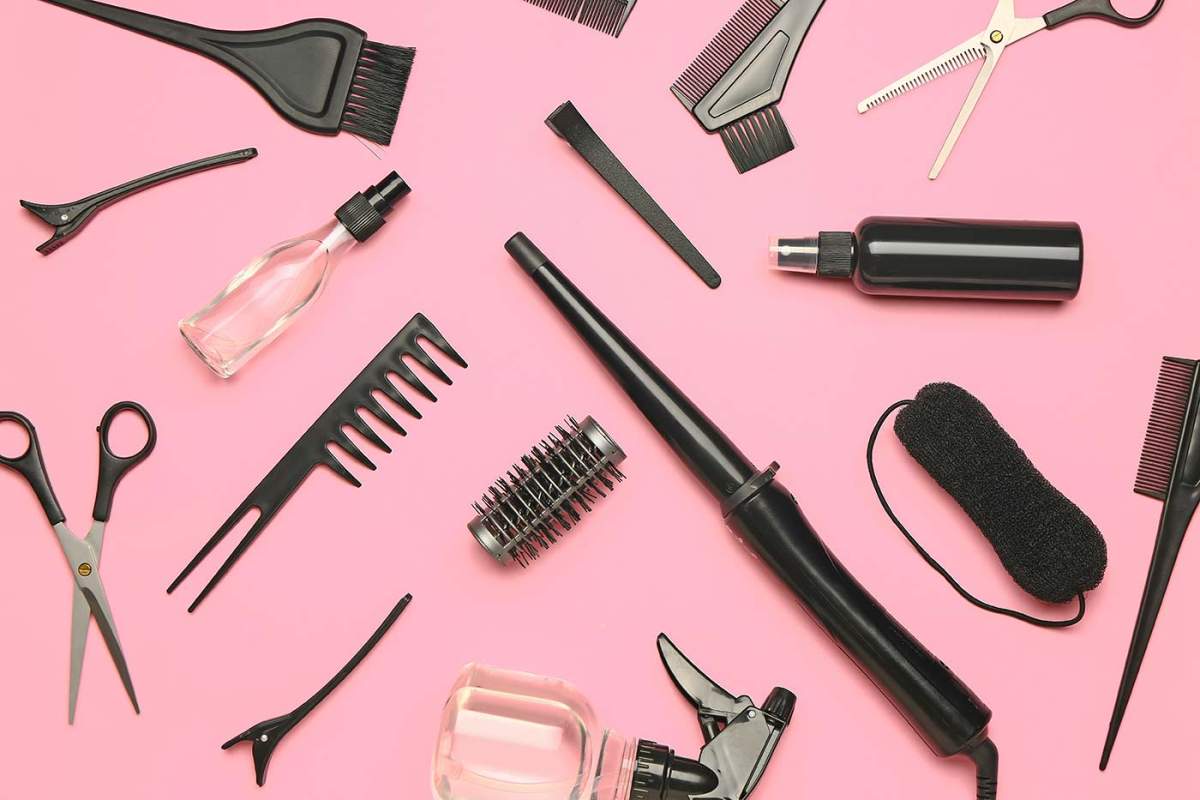
Local residents tend to vary in their use of color, relaxers, or keratin treatments. Overuse or misuse of highly chemical treatments can increase breakage or even cause localized hair loss (traction alopecia).
Consider:
- Limiting lightening or perming treatments to once every several months
- Using protective serums or leave-in conditioners before brushing or detangling, particularly during dry months
- Avoiding overlapping relaxer or bleach applications on already-treated hair
Occasional salon treatments are generally safe if spaced out, but repeated aggressive processing can cause long-term thinning, regardless of hair type.
How Much Does Stress or Lifestyle Matter?
Acute life changes or chronic day-to-day pressures—work stress, school workload, family responsibilities—can temporarily disrupt hair’s normal growth-resting-shedding cycle. It's common for residents to notice increased hair loss a few months after a stressful event or illness.
Ways to minimize stress-related loss:
- Build restful sleep into your routine, especially during busy seasons
- Manage stress levels through walks, hobbies, or connecting with others in the community
- Recognize that post-event shedding often resolves naturally within several months
Is Hair Loss Permanent or Temporary?
Many causes of hair thinning, especially those related to illness, stress, or seasonal change, are temporary when daily routines and health stabilize. Genetic or autoimmune types of hair loss are more likely to persist or progress. Early recognition and supportive habits may slow progression and help maintain density, though regrowth is not always guaranteed.
For sudden or severe cases, especially when paired with other health changes, a medical evaluation may help clarify the cause and whether treatment options should be considered.