

What Factors Affect Hair Growth for Residents in Worcester, MA?
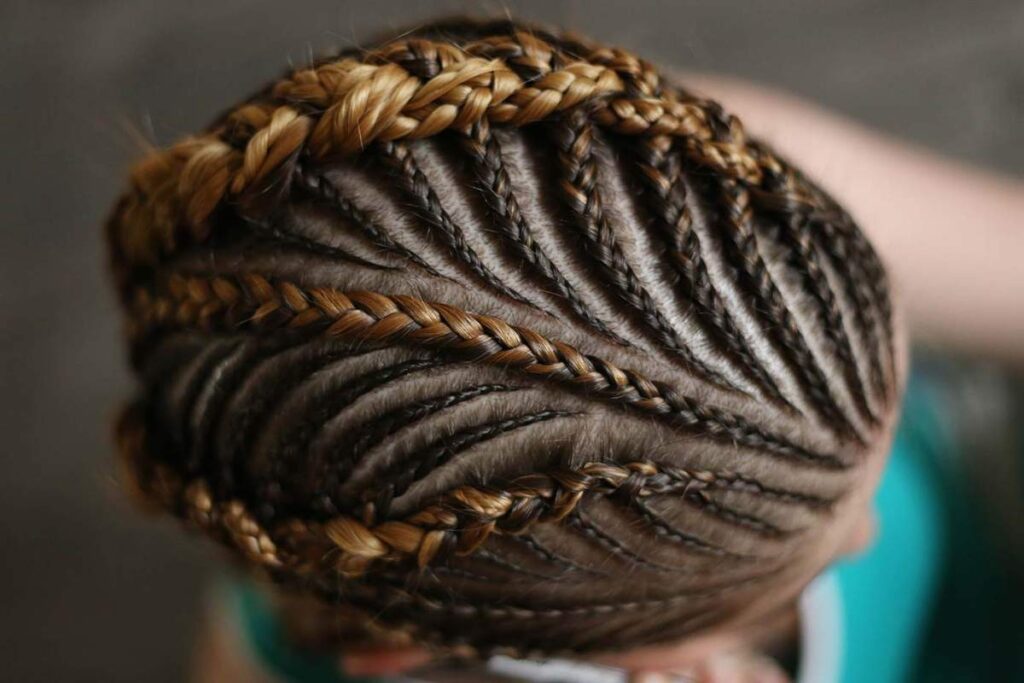
Hair growth is influenced by genetics, age, health, and day-to-day habits. In Worcester, MA, climate and seasonal changes—such as cold winters, humidity in summer, and varying indoor heating—also impact scalp health and hair strength. For most area residents, hair typically grows about half an inch per month, but factors like diet, stress, and regular care affect whether hair grows long and stays healthy.
Harsh winters mean frequent use of hats, scarves, and heated air indoors, which can dry out both the scalp and hair. Summer humidity, on the other hand, can lead to frizz or scalp irritation if sweat and products aren’t washed away regularly.
How Does Diet Influence Hair Health and Growth?
Healthy hair starts from within, as hair needs certain vitamins and minerals to grow strong. Residents eating a balanced diet with sufficient protein, iron, vitamin D, and biotin tend to have stronger hair.
- Protein: Hair is made of keratin, a protein. Ensure adequate protein intake from foods like eggs, fish, beans, and nuts.
- Iron: Low iron is a common cause of hair thinning. Leafy greens, legumes, and lean meats can help.
- Hydration: Dry scalp and brittle strands are more common when not drinking enough water, especially with the city’s extended heating season.
- Local tip: While some residents take vitamins, focus first on a varied diet and consult medical professionals before starting supplements.
How Should Hair Be Washed and Conditioned?
Washing hair too often, especially during dry winter months in Worcester, can strip away natural oils and lead to brittle hair. Conversely, not washing often enough can cause buildup that affects scalp health.
- Wash every 2-4 days, adjusting based on hair type, scalp oiliness, and activity level.
- Use lukewarm water rather than hot, to avoid drying out the scalp.
- Condition from the mid-length to the ends to reduce breakage.
- Allow hair to air dry or gently towel-dry whenever possible, since frequent hot blow-drying can damage hair over time.
People who spend a lot of time outdoors in winter or summer may need to adjust washing routines to account for more sweating or exposure to the elements.
What Are the Best Practices for Minimizing Hair Damage?
Many daily habits either help or hinder hair growth. In Worcester households, common mistakes include aggressive brushing, frequent tight ponytails, and harsh heat styling.
- Use a wide-tooth comb or detangling brush on wet hair to avoid breakage.
- Avoid tight hairstyles that put stress on the roots—especially when wearing hats in the winter months.
- Limit the use of heated styling tools; always apply a heat protectant when heat styling is needed.
- Silk or satin pillowcases—rather than cotton—can reduce friction, especially for those who struggle with hair breakage in winter.
How Can Scalp Health Be Maintained Throughout the Year?
A healthy scalp is essential for hair growth. Both the dry indoor air during winter and sticky summer weather in Worcester can affect scalp condition.
- Gently massage the scalp during washing to boost blood flow.
- Use clarifying shampoos occasionally to remove product buildup.
- Moisturize a dry scalp with oils sparingly—coconut, argan, or jojoba are commonly used.
- Avoid scratching or picking at the scalp, as this can cause irritation and lead to issues like flaking or infection.
Common misconception: Dandruff and dry scalp are not the same. Each may require different solutions—gentle moisturizing for dryness, or a medicated shampoo if true dandruff is present.
How Do Seasonal Changes Impact Hair in the Area?
Local winters are cold and dry, while summers may be humid. Both seasons pose challenges for growing long hair.
- In cold months, protect hair from extreme temperature changes by wearing hats with smooth linings and avoiding wet hair outdoors.
- Static electricity increases with indoor heating; using a humidifier and leave-in conditioner can help.
- During humid summers, wash away sweat and avoid heavy styling products that can clog the scalp.
Residents who swim in chlorinated pools or spend time at local lakes should rinse hair immediately after water exposure to prevent dryness or discoloration.
Are Regular Trims Really Necessary for Growing Long Hair?
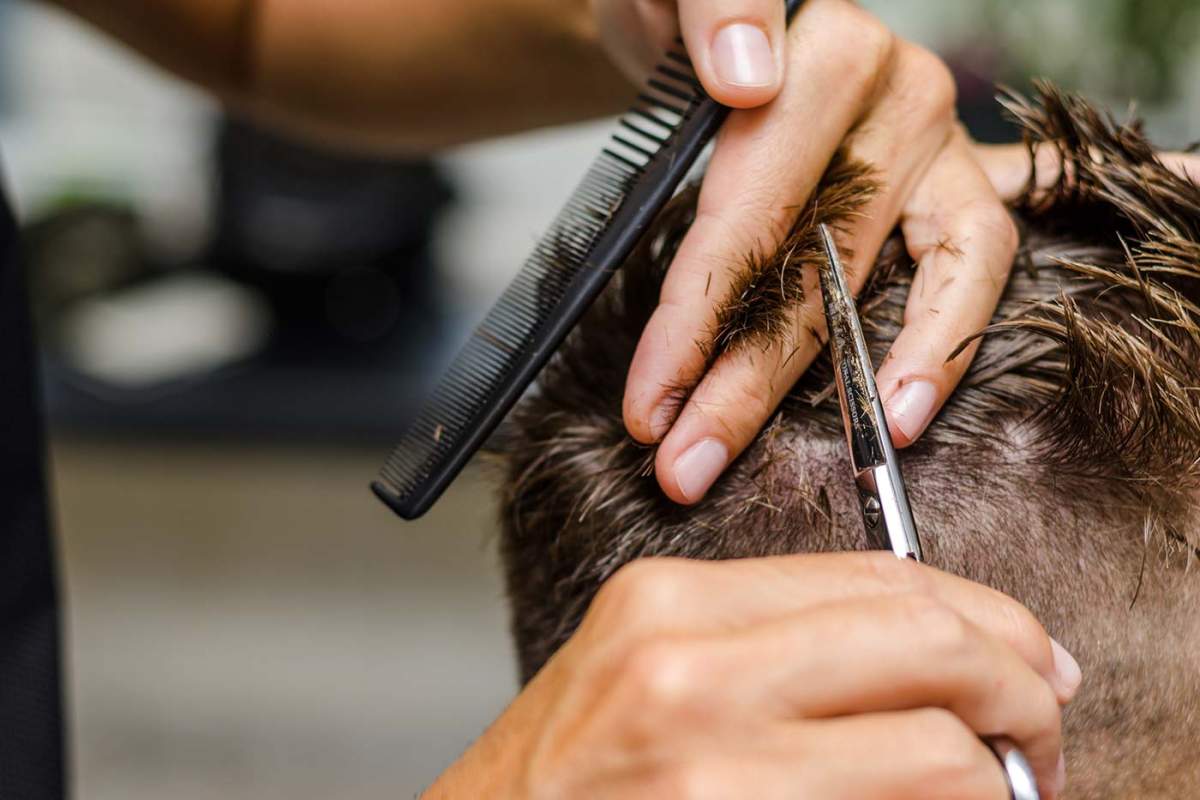
This is a common question among those wanting long locks. Trimming the ends doesn’t directly affect growth rate, but it prevents split ends from traveling up the hair shaft, which leads to breakage and a thinner appearance.
For most people in the community, trimming every 10–12 weeks keeps the ends healthy while still allowing length to accumulate over time.
What Are Common Myths About Growing Long Hair?
Many persistent beliefs in the area hold back healthy growth:
- Trimming more often does not make hair grow faster; it just maintains healthy ends.
- Brushing hair 100 times a day will not improve shine or growth and often causes breakage.
- Waiting longer between washes will not force hair to grow; regular gentle cleansing is important for scalp health.
Understanding the biology of hair—where growth occurs only at the roots—helps clarify what practices truly contribute to length and health.
Which Local Conditions Should Residents Consider for Hair Care?
The setup of multi-unit homes or older buildings in Worcester may mean exposure to hard water or fluctuating indoor humidity. Hard water can cause buildup on the scalp and hair, making strands appear dull.
- If dealing with visibly hard water, using a clarifying shampoo occasionally or installing a shower filter can help.
- Humidifiers during winter can reduce static and scalp dryness in homes with forced air heating.
Neighborhoods with trees and outdoor recreation mean more exposure to pollen, which can sometimes irritate the scalp. Wearing a loose scarf or hat, and gently cleaning the scalp after outdoor time, supports hair health through the seasons.