

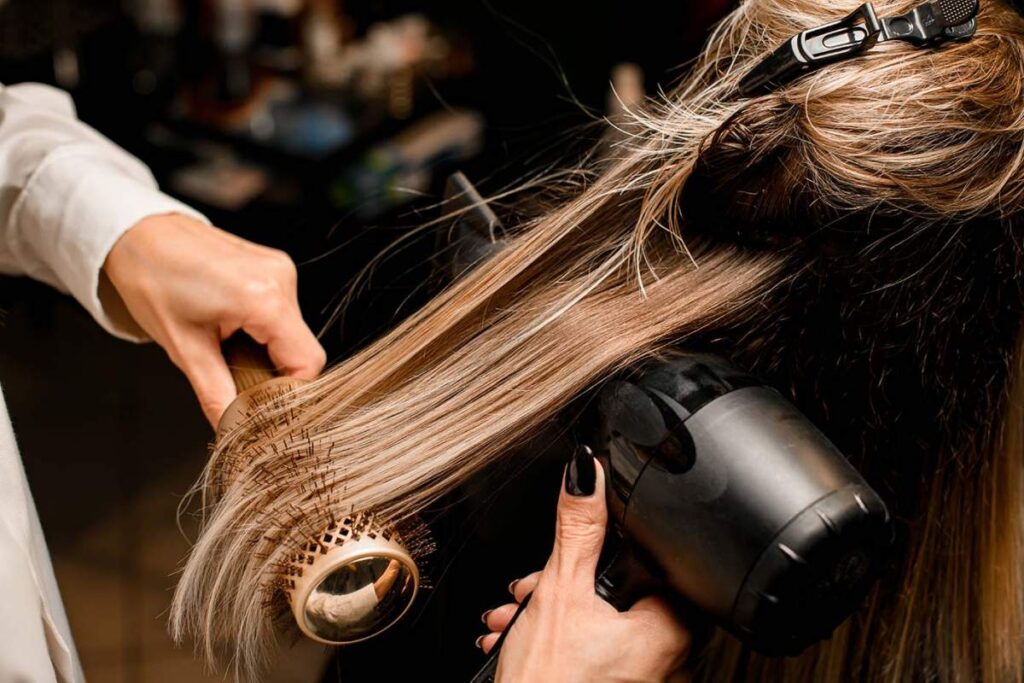
Color-treated hair needs a little more protection than untreated hair because coloring can affect the hair’s outer cuticle, moisture balance, and strength. A consistent routine can help preserve color, reduce dryness, and keep hair manageable through seasonal changes.
How should color-treated hair be washed?
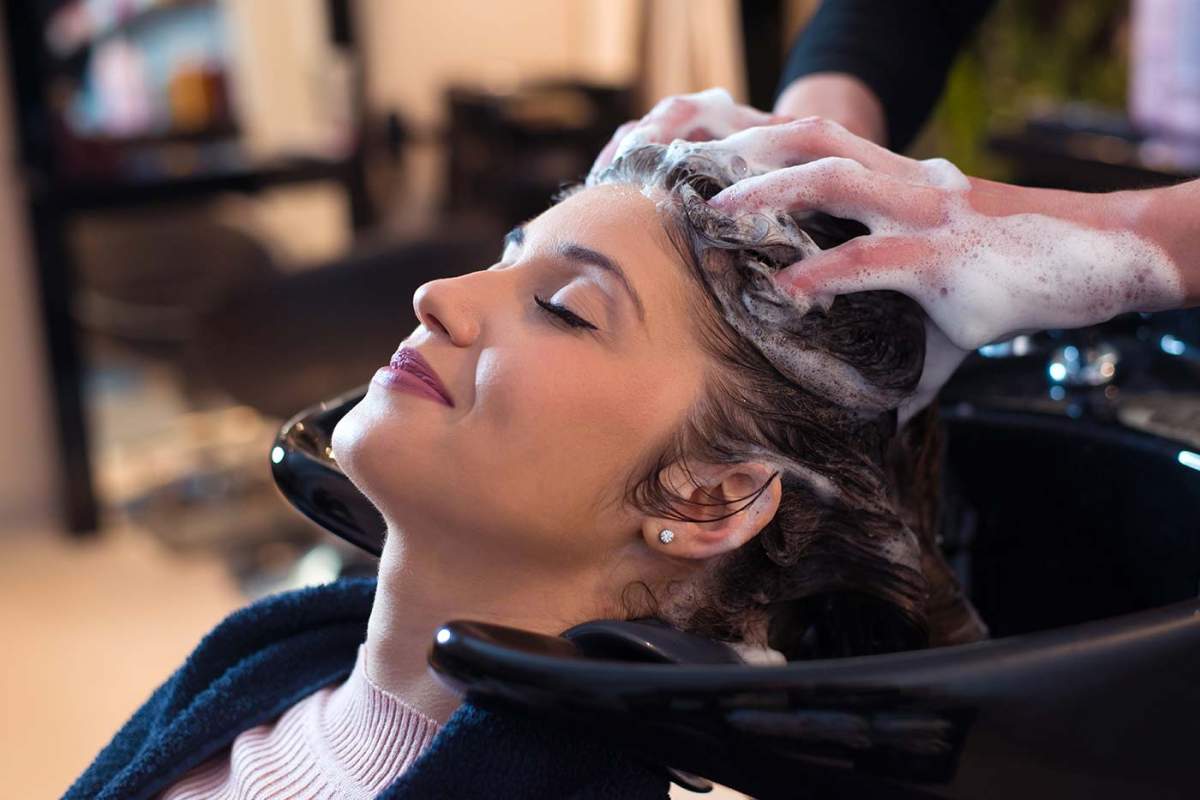
Wash color-treated hair less often when possible, using lukewarm water and a gentle, color-safe shampoo. Very hot water can lift the cuticle and allow some color molecules to rinse away more quickly.
Many people do well washing every two to three days, although the right schedule depends on scalp oil, hair texture, exercise, and styling habits. Curly, coarse, or dry hair may need less frequent washing, while fine hair or an oily scalp may require more regular cleansing.
A practical washing routine includes:
- Apply shampoo mainly to the scalp, where oil and buildup collect.
- Let the suds rinse through the lengths instead of scrubbing the ends aggressively.
- Use conditioner from the middle of the hair to the ends.
- Rinse thoroughly with lukewarm or slightly cool water.
- Avoid rough towel-drying, which can increase frizz and breakage.
Dry shampoo can extend time between washes, but it should not replace regular cleansing. Heavy buildup may make the scalp feel itchy or leave the hair dull.
Which products help preserve hair color?
Look for products labeled for color-treated, chemically treated, or damaged hair. These formulas are generally designed to cleanse more gently and support moisture retention.
A basic routine may include:
1. A mild shampoo for regular washing.
2. A moisturizing conditioner after each shampoo.
3. A deep-conditioning treatment once a week if the hair feels dry or rough.
4. A heat-protective product before blow-drying, curling, or straightening.
5. A clarifying shampoo occasionally if there is significant styling or mineral buildup.
Clarifying shampoos can remove residue, but frequent use may fade color or worsen dryness. They are usually better treated as occasional reset products rather than daily cleansers.
Purple, blue, or other toning shampoos can help manage unwanted yellow, orange, or brassy tones in some blondes, gray blends, and lightened hair. However, they do not replace regular shampoo and can leave hair looking dull or tinted if used too often. Follow the product directions and adjust frequency based on the hair’s appearance.
How does Worcester’s climate affect colored hair?
Worcester, MA experiences cold, dry winter conditions, humid summer weather, and seasonal shifts that can affect both the scalp and the hair shaft. Indoor heating during winter may leave hair more brittle, while summer humidity can increase swelling, frizz, and loss of smoothness.
Seasonal care can make a noticeable difference:
- In winter, use richer conditioners and avoid leaving wet hair exposed to freezing temperatures.
- During humid weather, use lightweight smoothing products rather than layering heavy oils.
- After swimming, rinse hair promptly with clean water and follow with conditioner.
- Wear a hat outdoors in strong sunlight, especially when hair is freshly colored or lightened.
- Avoid keeping hair tightly covered for long periods if the scalp becomes sweaty or irritated.
Winter hats can also create friction and static. A smooth lining or a soft scarf beneath a hat may reduce tangling and breakage.
Can sunlight, water, and swimming fade hair color?
Yes. Ultraviolet exposure, chlorine, salt water, and repeated wetting can all contribute to fading or dryness. Lightened hair is especially vulnerable because the coloring process may already have raised the cuticle and reduced some of the hair’s natural strength.
Before swimming, saturate the hair with clean water and apply a small amount of conditioner if appropriate for the hair type. Hair that has already absorbed fresh water takes in less pool or salt water. A snug swim cap offers additional protection.
After swimming:
- Rinse as soon as practical.
- Use a gentle cleanser if the hair feels coated or smells strongly of chlorine.
- Condition the lengths and ends.
- Detangle with a wide-tooth comb, beginning at the ends.
- Avoid immediate high-heat styling if the hair feels dry or stretchy.
If the hair develops a greenish cast after frequent pool exposure, repeated clarifying treatments may not solve the issue and can create more dryness. A targeted treatment may be more suitable, particularly for porous or lightened hair.
How can heat styling be used more safely?
Heat does not automatically ruin color-treated hair, but excessive temperature and repeated passes can weaken it. Always allow hair to become mostly dry before using a flat iron or curling tool, and apply heat protection evenly.
Helpful habits include:
- Use the lowest temperature that produces the desired result.
- Keep hot tools moving instead of holding them in one place.
- Avoid repeatedly styling the same section.
- Let hair dry naturally when practical.
- Use a diffuser on a moderate setting for textured hair.
- Do not use a flat iron on damp hair.
Blow-drying with the nozzle pointed downward along the hair shaft can help reduce roughness. If the ends feel brittle, splitting, or unusually thin, reducing heat frequency is often more useful than adding additional styling products.
How often should color-treated hair be trimmed?
Trimming does not make hair grow faster, but it can help prevent split ends from traveling farther up the shaft. Color-treated hair that is frequently lightened may benefit from more regular removal of damaged ends.
There is no universal schedule. Hair that is healthy and rarely heat-styled may need only occasional maintenance, while fragile or heavily processed hair may show splitting sooner. Watch for:
- White dots or splits at the ends
- Increased tangling
- Roughness that conditioner does not improve
- Uneven breakage around the face or crown
- Ends that look noticeably thinner than the rest of the hair
Maintaining the ends is especially useful during dry winter months, when low humidity and indoor heat can make existing damage more visible.
What habits can cause color-treated hair to fade faster?
Color often fades more quickly because of repeated washing, hot water, strong cleansing products, heat, sun exposure, and chemical overlap. Hair may also become dry when several lightening or permanent color services are performed too close together.
Common mistakes include:
- Shampooing daily without needing to
- Scrubbing the colored lengths
- Using very hot water
- Applying permanent color over already colored ends repeatedly
- Ignoring chlorine or mineral buildup
- Brushing aggressively while the hair is wet
- Sleeping with wet hair tied tightly
- Using high heat without protection
Some fading is normal, particularly with vivid, red, copper, pastel, or semi-permanent shades. Color longevity depends on the shade, the hair’s porosity, the type of color used, and the frequency of washing.
When does color-treated hair need extra care?
Hair may need a gentler routine if it becomes stretchy when wet, breaks easily, feels rough even after conditioning, or develops sudden changes in texture. These signs can indicate excessive processing, moisture loss, or damage to the hair’s internal structure.
At home, reduce chemical treatments, lower heat exposure, detangle gently, and focus on consistent conditioning. If the scalp burns, develops sores, swells, or remains irritated after coloring, stop using the suspected product and seek medical guidance. Scalp symptoms are different from ordinary color fading or dry ends and should not be ignored.
A balanced routine usually works better than constantly changing products. Gentle washing, regular conditioning, protection from heat and weather, and careful handling can help color-treated hair remain softer, stronger, and more even-looking throughout the year.